Natural History Museum Grazing Project
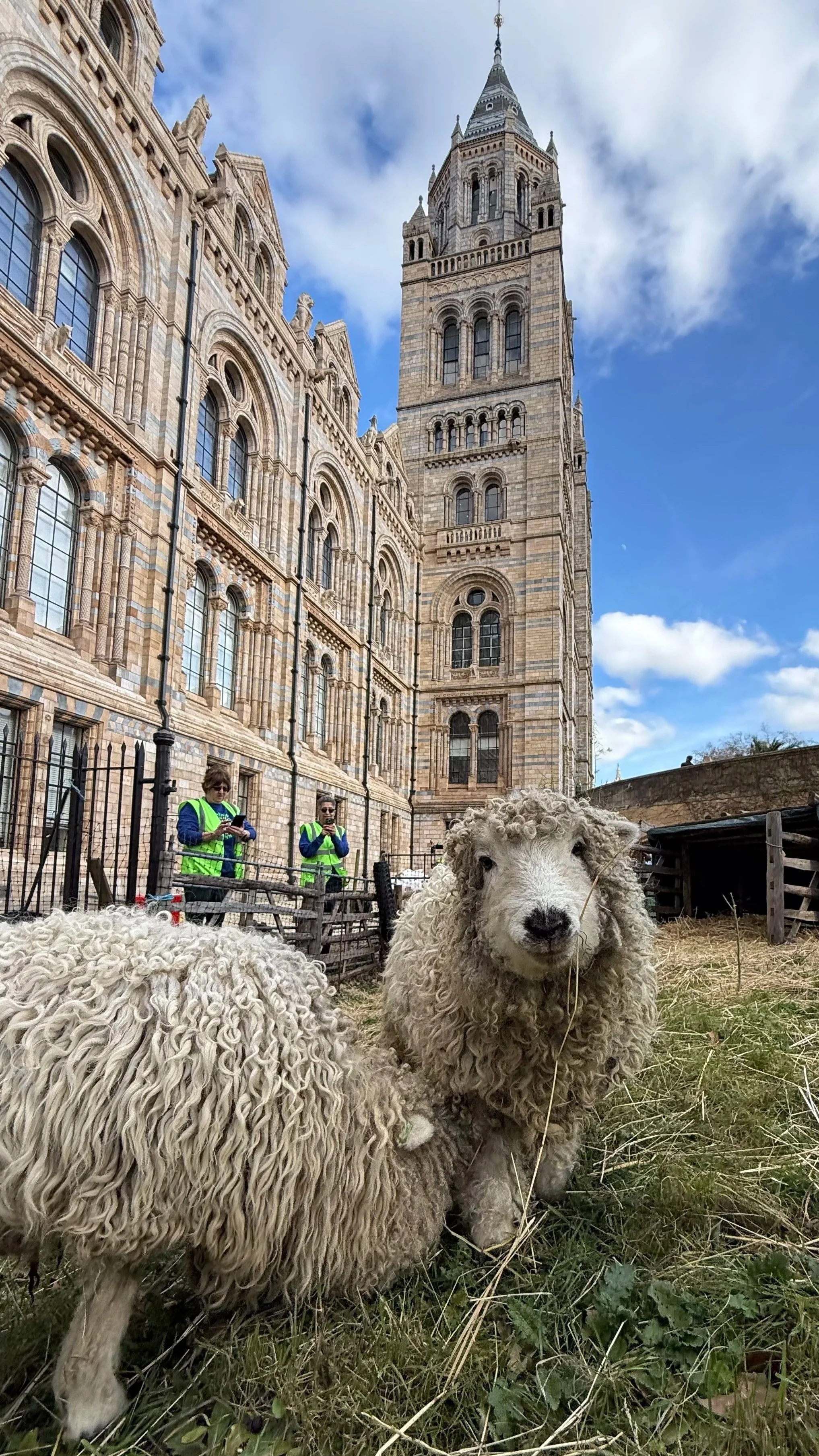
Eagle eyed visitors to the farm recently will have spotted that two woolly characters are missing from the sheep paddock. Barley and Rye, two of our Greyface Dartmoor sheep, are on secondment to the Natural History Museum for the second time this year. Back in February the boys were hired to help graze the museum’s fantastic wildlife garden – a first for Spitalfields, but not for the museum! Up until recent years, the museum used sheep from the Wildfowl and Wetlands Trust in Barnes, but those sheep are now too elderly to travel, and our boys have been drafted in to fill the gap.
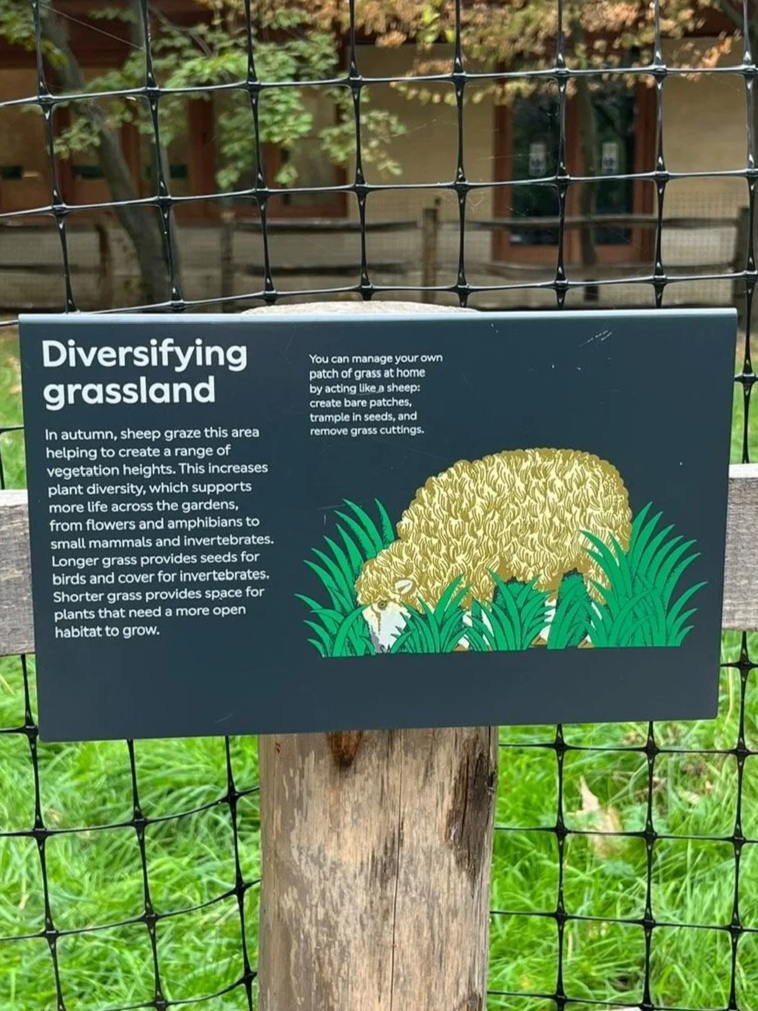
Wildflower meadows and rare chalk grassland have been maintained for thousands of years by grazing livestock at certain times of the year. Sheep are often favoured over cattle because they cause less damage to the ground in wet weather, but both species help the grassland by grazing the plants down and ingesting the seeds. These seeds are then distributed around the rest of the meadow when the sheep poo them back out again. The poo also acts as the perfect fertiliser, and the seeds get pushed into the soil as the sheep walk around.
As the meadows hadn’t been grazed for a few years, Barley and Rye have had the privilege of grazing at the museum twice this year – February and October. From 2027 it is envisaged that their services will only be required once a year in October (we’ll break this news to them gently!)
Whilst the boys are away from the farm, they are being cared for by the dedicated staff and volunteers from the museum gardens, led by Head Gardener, Suzanne Patman. Farm staff provided an interactive training session before the sheep arrived, ensuring everyone knows how to care for the boys correctly. There have been a few learning points along the way, especially after both sheep escaped their enclosure back in February!
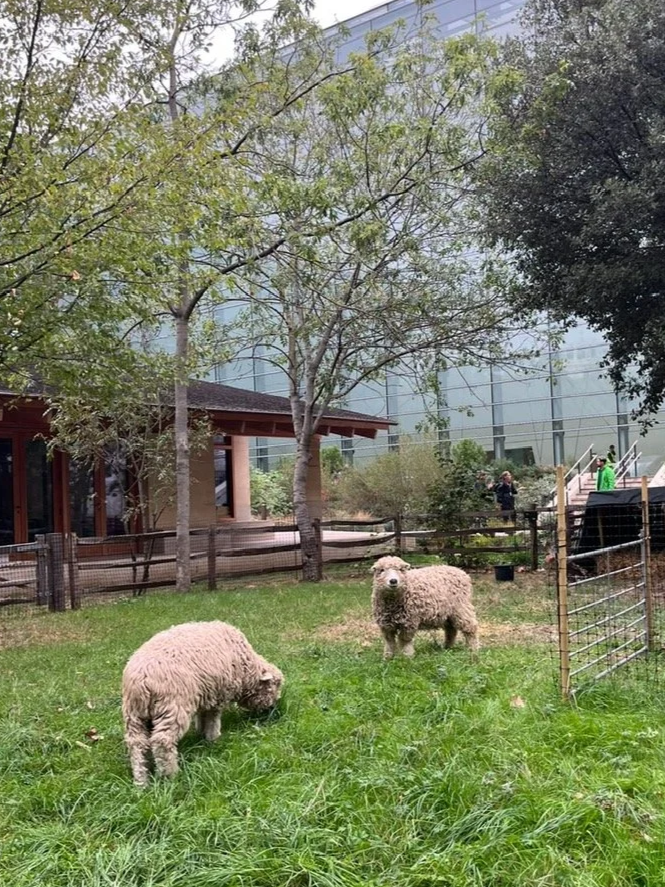
Barley and Rye are Greyface Dartmoor sheep, a breed originating in Devon and perfect for thriving in wet or harsh conditions. Their thick, curly fleece can be sheared twice a year, unlike most UK breeds, due to the length of the wool, and their sweet faces give them a warm and welcoming charm. The breed was once considered to be rare and at risk of extinction, but thanks to the efforts of the rare breed society, they are no longer a priority or at risk breed in the UK.